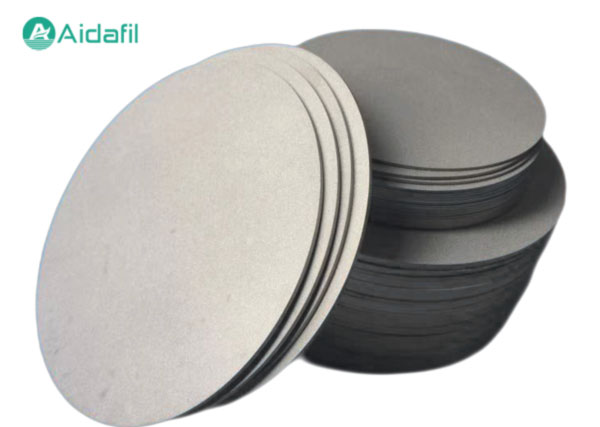
পদার্থকে রঞ্জিত, বল, পরিষ্কার - পরিচ্ছন্নতা, চাপ এবং প্রক্রিয়াকে হ্রাস করে ।.
ভূমিকা
কিন্তু, এগুলো ভিন্নভাবে কাজ করে । একটি প্রোফাইলকৃত তারের ক্ষত ব্যবহার করে বা আমরা একটি নির্দিষ্ট পর্দায় প্রবেশ করেছি। অন্যটা ধাতুর ধাতু বা ধাতুর স্তর ব্যবহার করে একটা ধূমপায়ী কাঠামো তৈরির জন্য ।.
তাদের মধ্যে বেছে নেওয়া শুধু বস্তুগত বিষয়ের ওপর ভিত্তি করে হওয়া উচিত নয় । এটা গঠনকে অপসারণের ওপর নির্ভর করে, বিভিন্ন চাপ, পরিষ্কার করার পদ্ধতি, তরল পদার্থ এবং পদার্থের যান্ত্রিক ভারের ওপর ।.
এই গাইড দুটো নির্মাণ প্রক্রিয়ার তুলনা করেন এবং শিল্পায়নের জন্য একটি ব্যবহারিক নির্বাচন প্রক্রিয়া সরবরাহ করেন। এর উদ্দেশ্য হচ্ছে প্রাথমিক প্রযুক্তিগত ধারণা হিসাবে; ফিল্টার সরবরাহকারী এবং যন্ত্রপাতির চাহিদা সম্পর্কে চূড়ান্ত তথ্য নিশ্চিত করা।.
PocketProling ফিল্টার তৈরি করা হয়েছে
একটি কালো তারের ফিল্টার ব্যবহার করে তারের তৈরি করা প্রোফাইল রড তারের রড বা ফ্রেমের চারপাশে বসানো হয়েছে । তার প্রোফাইল একটি তুলনামূলক উন্মুক্ত রাস্তা দিয়ে চলতে থাকবে। কলামের প্রস্থ। focus-কি দ্বারা পর্দার প্রসারিত করার মাত্রা নিয়ন্ত্রণ করা হয়।.
ওয়ালটার স্ক্রিনের পর্দাকে প্রায়শই মাঝারি আকারের, ধূমপায়ী, ধূমপায়ী, পানি ধোয়া, এবং অ্যাপ্লিকেশনের জন্য ব্যবহার করা হয়। পরিষ্কার - পরিচ্ছন্নতার কাজ.
প্রকৃত কর্মক্ষমতার উপর নির্ভর করে স্লটের প্রস্থ, তার প্রোফাইল, সমর্থন, দিক নির্দেশনা, এবং পথটি ঘিরে আছে। স্টিলের জন্য তৈরি করা একটা স্টিলের পর্দা কেবল পাতলা স্টিল থেকে তৈরি করা হয় বলে মনে হয় না ।.
কি ভাবে পাপ করা মেশ ফিল্টার তৈরি করা হয়েছে
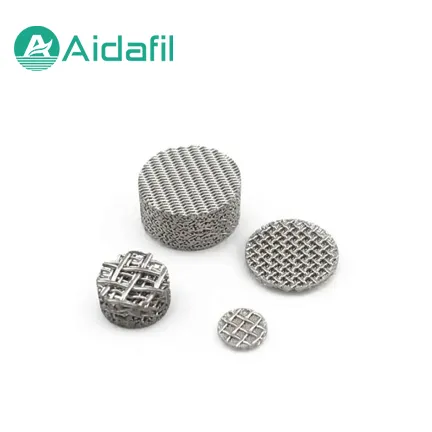
এক বা একাধিক স্তর ধাতু বা ধাতুর ফাইবার দিয়ে পাপ করা ফিল্টার করা হয় । পাপ দমনের প্রক্রিয়া নিয়ন্ত্রিত পলির আকার ও যান্ত্রিক ভারসাম্যকে একটি গঠন করে, যার তুলনায় হালকা মেশ সহ গঠন করা হয়েছে।.
অতি পবিত্র পদার্থের ব্যবহার এই কাঠামোর অন্তর্ভুক্ত হতে পারে একটা সুরক্ষামূলক স্তর, এক অপ্রত্যাশিত স্তর এবং স্তরকে সমর্থন করা । [ অধ্যয়ন প্রশ্নাবলি].
Sintered metal media are used in high-temperature, high-pressure, viscous, or chemically demanding applications where a cleanable metal filter may be suitable. Cleaning and regeneration must be matched to the contaminant and the pore structure.
Comparison at a Glance
সম্পত্তি | Wedge Wire | Sintered Mesh |
Filtration mechanism | Controlled slot between profiled wires | Fixed porous metal structure |
Typical retention range | Often coarser, depending on slot width | Can support finer filtration depending on construction |
Flow area | Generally open, with a defined slot pattern | Depends on mesh layers and pore size |
যান্ত্রিক শক্তি | Good structural strength when correctly supported | High when designed with suitable support layers |
Cleanability | Often suitable for backwashing or mechanical cleaning | Cleanable in some designs, but cleaning must suit the pore structure |
Pressure drop | Depends on slot width, flow area, and flow direction | Depends on pore size, media construction, and flow rate |
Best starting point | Coarse screening, separation, backwash, open-flow applications | Fine metal filtration, high-temperature or demanding process conditions |
The table is qualitative. It cannot replace a pressure-drop calculation, particle-retention review, or compatibility check for a specific process.
Compare Particle Retention Requirements
Start with the smallest particle that must be retained and the acceptable pressure drop. A wedge wire screen is often considered when the required slot is relatively open and the main goal is to retain larger solids while maintaining flow. A sintered element may be considered when finer filtration is required and the process can accept the associated pressure drop and cleaning requirements.
Do not compare only the nominal micron number. Ask how the rating was determined and whether it is a nominal or absolute value. The shape of the particles and the flow direction can affect the result.
Evaluate Mechanical and Pressure Conditions
Both constructions can be strong, but the support structure matters. Check the differential pressure across the element, the maximum pressure, the temperature, and any vibration or mechanical load. A filter that is strong in one direction may not be suitable if the flow can reverse or if the element is cleaned by high-pressure backflow.
Confirm the housing support and the sealing arrangement. A metal element may be durable, but a damaged seal or unsupported end cap can still allow bypass.
Consider Cleaning and Maintenance
Wedge wire screens are often selected where the process allows backwashing or mechanical cleaning. The open slot structure can release some contaminants more easily than a fine porous medium, but the result depends on the contaminant and the cleaning procedure.
Sintered elements can be cleaned in suitable applications, but the cleaning method must not damage the bonded structure or leave contamination trapped in the pores. Verify the recommended cleaning agent, temperature, pressure, and drying procedure with the supplier.
If cleaning is difficult or the contaminant cannot be removed reliably, a disposable or replaceable element may be a better service choice. The lowest purchase price is not the lowest lifecycle cost if the element cannot be cleaned effectively.
Review the Process Fluid and Temperature
Check corrosion resistance, temperature range, and compatibility with the fluid. Stainless steel grades are not equally suitable for every chemical environment. If the process contains chlorides, aggressive additives, or high-temperature oxidation, confirm the material with the supplier.
Also consider gasket and seal materials. The metal filter may be suitable for a high-temperature process, while the seal is not. The complete assembly must be reviewed.
Common Applications to Discuss with a Supplier
Typical questions include:
· Is the filter used for water, oil, gas, solvent, polymer, or another fluid?
· Is the main requirement coarse screening or fine particle removal?
· What is the normal and maximum pressure drop?
· Will the element be backwashed, chemically cleaned, or replaced?
· What are the temperature and corrosion conditions?
· What connection, diameter, length, and sealing arrangement are required?
These details make the difference between a general material comparison and a usable filter specification.
Common Selection Mistakes
One mistake is assuming that a finer filter is always better. A finer element may increase pressure drop, shorten service life, or become difficult to clean. Another is selecting a metal filter because it is reusable without checking whether the contaminant can actually be removed.
Teams sometimes compare a wedge wire slot size with a sintered mesh micron rating as if the numbers had the same meaning. The test method and filtration mechanism may differ. Finally, ignoring the seal, support, and housing interface can lead to a filter that appears to fit but does not perform reliably.