


একটি উদ্ধৃতির অনুরোধ করার আগে তেল ভিস্কোয়ার, পানি উপাদান, প্রবাহের মাত্রা এবং পরিষ্কারের জন্য ভ্যাকুয়াম তেল পরিষ্কার করুন।.
ভূমিকা
জল, গ্যাস এবং জল অপসারণের জন্য তেল সরবরাহ যন্ত্র ব্যবহার করা হয় । সঠিক মেশিনের মাপ এবং কনফিগারেশন স্বয়ং পরীক্ষা করা হয়েছে। বর্তমান দূষণ, পরিষ্কার করার জন্য প্রয়োজনীয় স্তর এবং চিকিৎসার জন্য সময় প্রয়োজন।.
( খ) কীভাবে আমরা জানি যে, আমরা যিহোবার ওপর নির্ভর করতে পারি? এমন একটা যন্ত্র, যেটা প্রক্রিয়ার উন্নতি না করে অনেক বেশি খরচ ও শক্তি উৎপাদন করতে পারে । সঠিক নির্বাচন একটি তেল নমুনা এবং পরিষ্কার চিকিৎসার মাধ্যমে শুরু হয়।.
এই গাইডটি ব্যাখ্যা করছে একটি তেল পরিষ্কারকরণ এবং ব্যাচের সময় কিভাবে চিন্তা করা যায় এবং কোন কনফিগারেশন প্রশ্ন উদ্ধৃতির অনুরোধ করার আগে নিশ্চিত করা উচিত।.
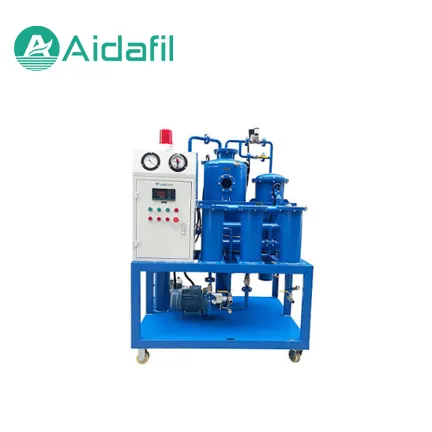
তেল টাইপ দিয়ে আরম্ভ
বিভিন্ন তেলে বিভিন্ন ধরনের ভ্রুণ আছে, যোগ করা, সংশোধনমূলক আচরণ এবং গরমের জন্য সংবেদনশীলতা আছে। তেলের পণ্যের নাম, ISO ভিস্কোয়ার গ্রেড অথবা নির্দিষ্ট তাপমাত্রার তাপমাত্রা, এবং আবেদনে রেকর্ড করুন। খনিজ তেল, সার্বিন তেল, টরবিন তেল, তেলের উৎপাদনশীল তেল এবং সিনথেটিক ঘুমের ঔষধের ভিন্ন ধরনের চিকিৎসা প্রয়োজন হতে পারে।.
শুধুমাত্র তেল নাম ব্যবহার করে সরঞ্জাম নির্বাচন করবেন না । প্রযুক্তিগত তথ্য শীট এবং কোথায় সম্ভব, বর্তমান তেল বিশ্লেষণের জন্য। তেল অপারেটিং তাপমাত্রা ও তাপমাত্রা নিশ্চিত করুন, যে তাপমাত্রায় তাপমাত্রা হবে।.
তেল বিশ্লেষণ পর্যালোচনা
তেল বিশ্লেষণের মাধ্যমে বোঝা যায় যে রোগপ্রতিরোধকারীদের অপসারণ করতে হবে। সাধারণত এর অন্তর্ভুক্ত হতে পারে জল সংক্রান্ত উপাদান, খণ্ড গণনা, ভ্রমতা, এসিড, রাসায়নিক পদার্থ, ফ্ল্যাশ পয়েন্ট এবং মৃত্যু । তেলের উৎপাদনশীলতার জন্য, প্রাণহানি শক্তি এবং ঘাটতি বিশেষভাবে গুরুত্বপূর্ণ।.
চিকিৎসার লক্ষ্য পরিষ্কার করা উচিত। উদাহরণ হিসেবে বলা যায়, অবাধ জল হ্রাস করা, পানি সরিয়ে ফেলার ফলে পানি সরিয়ে ফেলা হয়। বিভিন্ন লক্ষ্যবস্তুর হয়তো বিভিন্ন ধরনের শূন্যস্থান, কয়লার পাতিং, এবং অতিরিক্ত উৎপাদনশীলতা প্রয়োজন হতে পারে ।.
তেলে যদি পানির উচ্চ স্তর থাকে, তা হলে জলকে শুকিয়ে ফেলা বা ভেঙ্গে ফেলা যায়, একটা সহজ খণ্ডকালীন ফিল্টার যথেষ্ট নয় । ভ্যাকুয়াম ডিগিং এবং বিষ প্রয়োগের প্রয়োজন হতে পারে। যদি দূষিত হয়ে পড়ে, তা হলে একটা উপযুক্ত পর্যায় হতে পারে ।.
আবশ্যক পরিমাণ গণনা করুন
Flow rate is not only the machine's nominal capacity. It must be considered together with the volume of oil to be treated and the available processing time.
A practical starting calculation is:
Required flow rate = oil volume to be processed ÷ effective processing time
This is only an estimate. The actual result depends on the initial contamination, target cleanliness, oil viscosity, temperature, vacuum performance, and the number of passes required. For critical equipment, the manufacturer or process engineer should confirm the treatment time.
Consider whether the purifier will operate continuously while the equipment is running or as a batch process during a shutdown. A continuous bypass installation may require a lower flow rate than a batch treatment that must finish within a short maintenance window.
Select the Treatment Stages
An oil purifier may combine several stages:
Coarse filtration for large particles
Heating to reduce viscosity and support dehydration
Vacuum dehydration and degassing
Coalescing or separation for free water
Fine filtration for particulate removal
Optional polishing or adsorption stages
The stages should be selected according to the oil condition and the required result. Adding a stage that is not needed increases complexity and cost. Removing a necessary stage may prevent the machine from reaching the target.
Consider Oil Viscosity and Temperature
Higher-viscosity oil is more difficult to pump and process. Heating may be required, but the maximum temperature must remain within the oil and system limits. Confirm the heater capacity, temperature control, and safety interlocks.
Check the oil's flash point and the supplier's recommended processing temperature. Do not assume that higher temperature always produces a better result. Excessive heat can accelerate oxidation or degrade additives.
Check the Configuration and Installation Requirements
The machine should suit the available space, connections, power supply, and maintenance access. Consider:
Inlet and outlet connection sizes
Mobile or stationary configuration
Flow and pressure requirements
Heater and vacuum pump power
Local voltage and frequency
Required protection for the operating environment
Availability of hoses, valves, and sampling points
Waste-water or gas handling
Operator training and maintenance access
If the purifier will be used in a hazardous area, confirm the required electrical protection with the site engineer. Do not select a standard configuration without reviewing the installation environment.
Define the Acceptance Check
Before delivery or after commissioning, define how performance will be checked. A practical acceptance process may include:
28.Record the initial oil analysis.
29.Record the volume and temperature of the oil.
30.Run the agreed treatment cycle.
31.Sample the oil after the cycle.
32.Compare the result with the agreed target.
33.Record flow, vacuum, temperature, and pressure.
34.Confirm that no leaks or abnormal noise are present.
The test should use representative oil and realistic operating conditions. A bench test with clean oil does not prove that the machine will remove water or gas from the actual process oil.
Common Selection Mistakes
One common mistake is selecting by tank volume alone without considering the required cleanliness and available time. Another is assuming that a particulate filter will remove dissolved water. Some buyers compare only nominal flow rates and ignore viscosity, vacuum, and temperature.
Another risk is treating transformer oil with a machine that is not configured for the required dielectric performance. For critical oils, the treatment target and acceptance test should be agreed before purchase.


